HTML: the Bones
HTML stands for hypertext markup language . It was originally invented to share academic texts on particle physics over an internet connection, So, it has to be easy for anyone to write and be able to easily format specific types of information into a visual pattern humans are used to. HTML hasn't changed much.
HTML is like, the skeleton and body of your web page. It's your raw content represented as code, into something the browser can read and understand.
Tags, Attributes, wtf??????
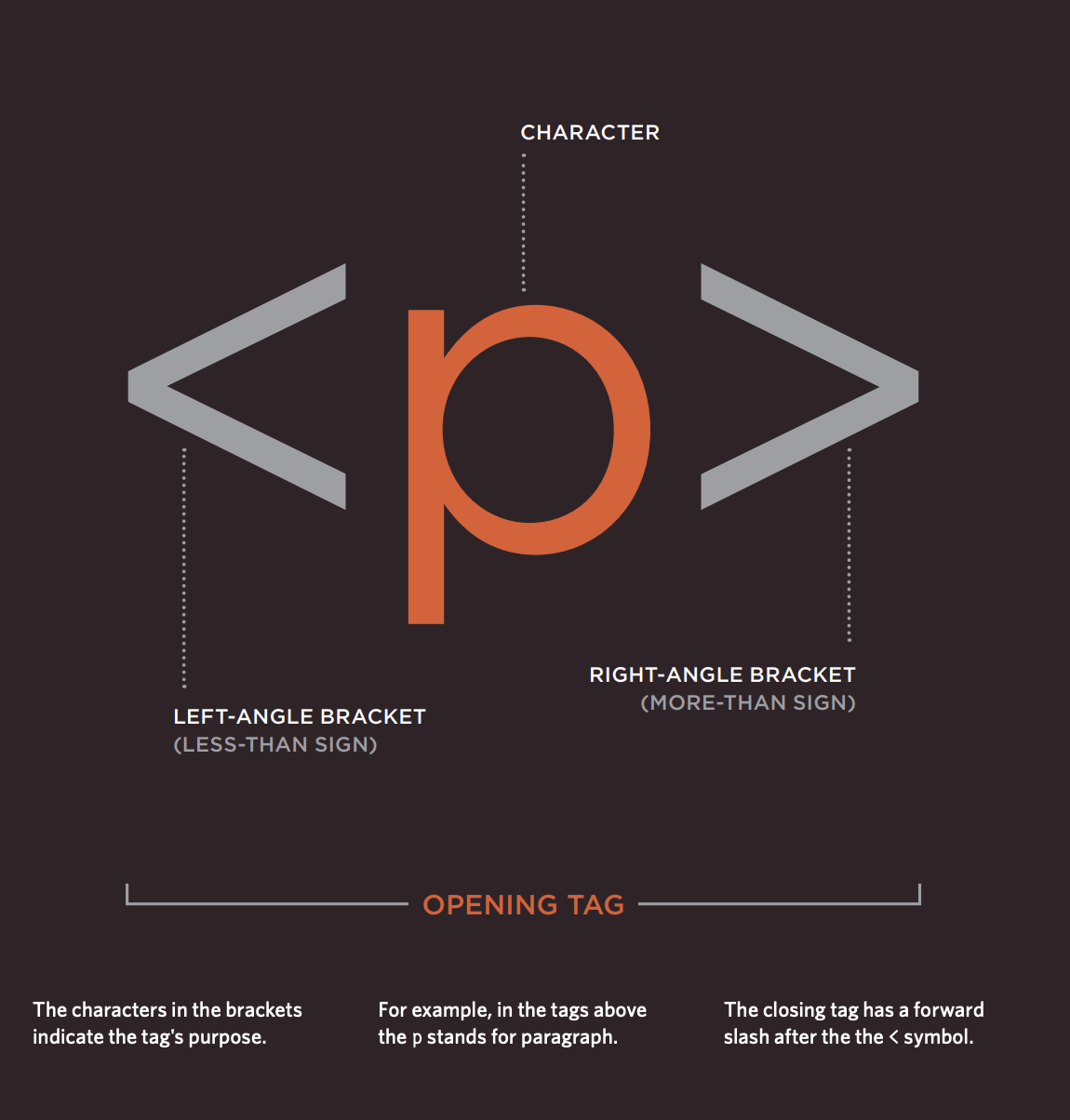
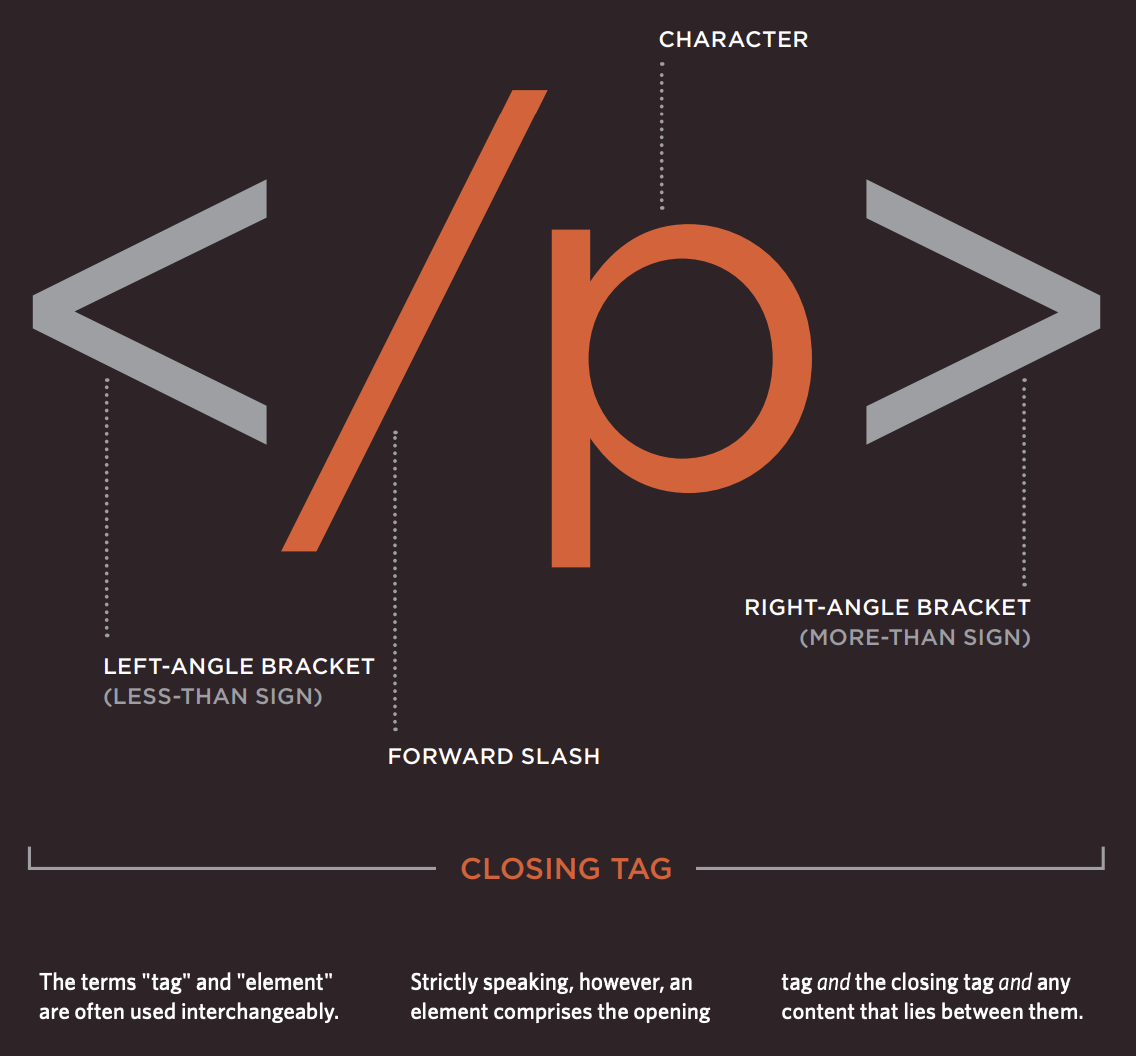
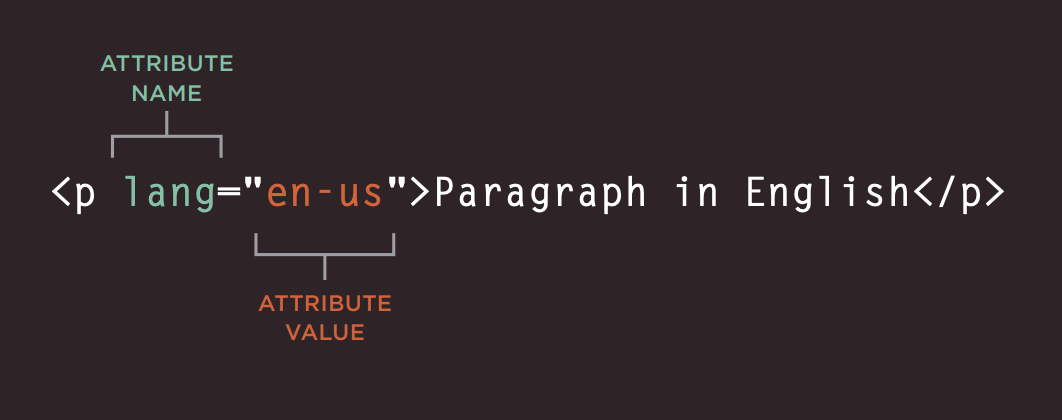
Organizing HTML into Pages on a Website
from Interneting is Hard
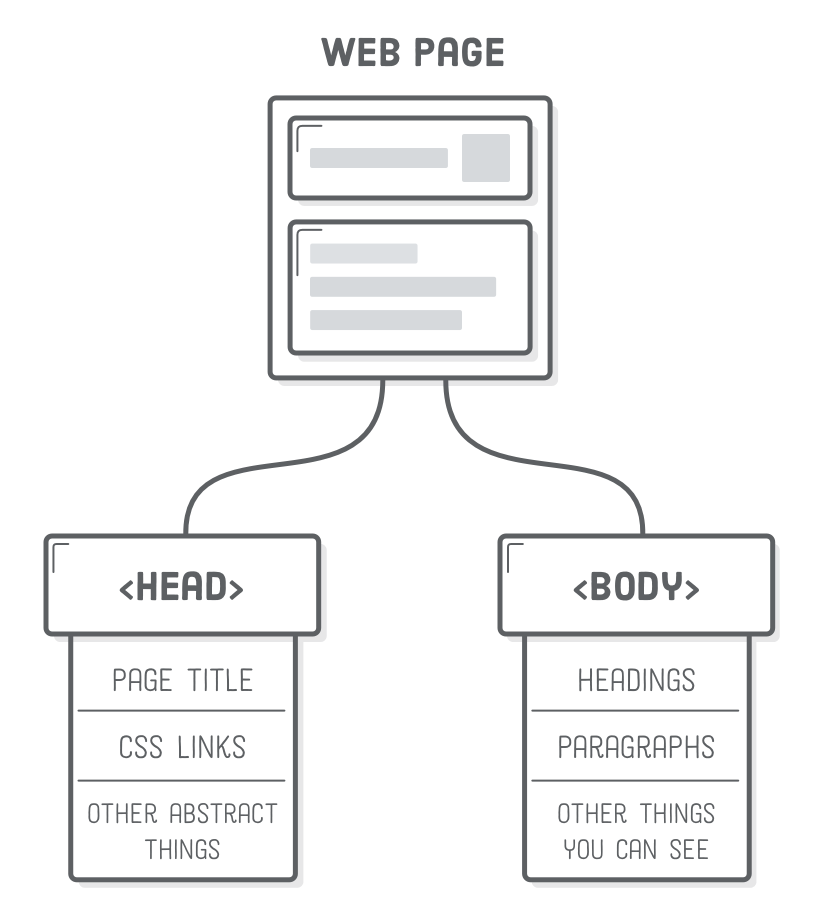
I like to divide HTML pages into two main ways - the Head and the Body . Both of these terms have symbollic meanings, but also technical meanings as well. We'll go through the technical meaning in a minute.
the Head
The head is the brains of your webpage. It describes information about the page itself, what resources it needs, and other "meta" information.
We use it to:
- Tell browsers information about the page it is viewing. These are things like what language it's in, the title of the page, a description of content one can find on that page, and other stuff like that.
-
Link external CSS.
You would put any
linklink tags here that tells the browser to pull in any other styles and files you want to include. We'll talk about this later - it's ok if it doesn't make sense for now.
the Body
This is where the magic happens! You define all of your content here. The headings, paragraphs, images, and everything that actually makes up the bulk of your page and what you want users to see.
Let's take a look at how these two things work together.
Demo: HTML Pages